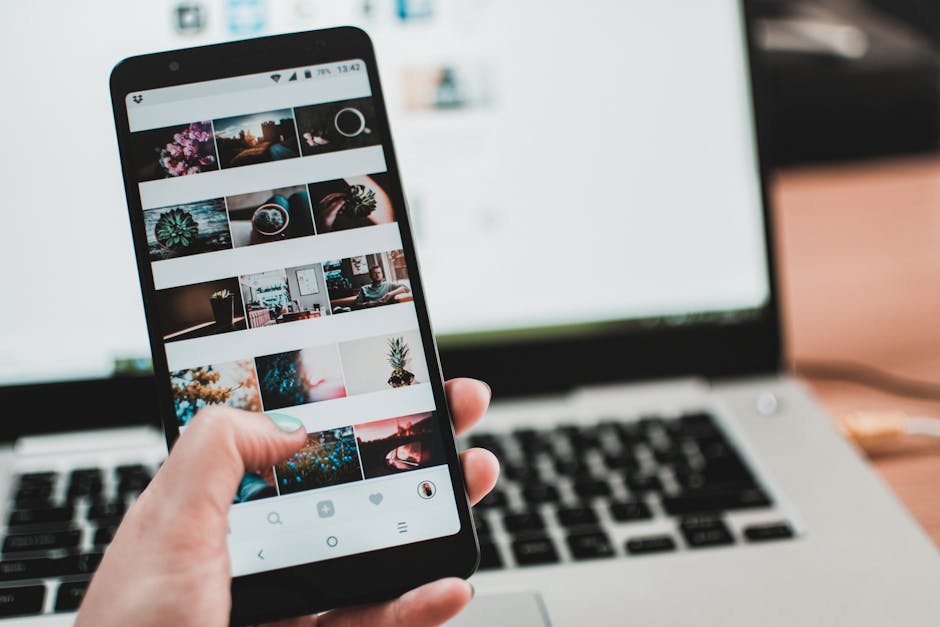
In today’s connected world, finding time to step away from screens is more important than ever. Whether you’re working on a project or enjoying a quick gaming session on Mr Q Casino, the difference between simple downtime and a genuine screen break has significant implications for your mental health, eye comfort, and physical posture. With modern mobile browsers, smartphones, and tablets seamlessly packed into our pocket routines, understanding how to take effective breaks is essential—both for your well-being and your productivity.
Defining Downtime Versus Real Screen Breaks
At first glance, downtime and screen breaks might appear similar—they both involve pausing an activity or stepping away temporarily. But digging deeper reveals important differences that impact your body and mind.
Downtime: The Micro-Entertainment Window
Downtime often means switching one digital activity for another without truly disconnecting. For example, using your coffee break to casually scroll social media, check slot rounds on Mr Q Casino, or binge-watch short videos may feel restful but still keeps your eyes and brain tethered to the screen. It’s a quick switch from work mode to entertainment mode, a kind of mental reset that's light but limited in scope.
These “micro-entertainment windows” fit well with smartphone-driven short-session habits. Modern phones and tablets encourage fragmented usage where users engage in brief periods of activity—like quick slot rounds of 30 seconds to a few minutes—before switching to another app or task. This rapid cycling keeps the brain engaged but doesn't necessarily offer the restorative benefits of true breaks.
Real Screen Breaks: Eye Health and Posture Reset
A real screen break goes beyond just stopping one activity for another. It means stepping away from all screens for minutes at a time—preferably 5 to 15 minutes per hour—as recommended by the UK Health and Safety Executive (HSE). This practice reduces eye strain, improves mental focus, and helps maintain better posture.
Key to real breaks is:

- Screen-Free Minutes: Complete removal of screen exposure, giving your eye muscles a chance to relax and reset from the continual focus adjustment imposed by digital devices. Posture Change: Standing up, stretching, or walking during breaks breaks the cycle of prolonged sitting, which affects spinal alignment and reduces musculoskeletal stress. Mental Break: Shifting attention away from digital stimuli to calming physical environments or offline activities refreshes cognitive resources more effectively than swapping one screen for another.
Why Does the Difference Matter?
The distinction between downtime and true screen breaks is essential for maintaining health over the long haul. Hours of continuous screen exposure—even during ‘relaxation' periods—can contribute to issues such as:
- Eye Strain and Fatigue: Blink rates drop and visual muscles tire when focusing on digital content for extended periods. Postural Problems: Hunching over phones or tablets for micro-entertainment windows leads to neck, shoulder, and back discomfort. Mental Fatigue and Reduced Productivity: Without mental reset, your brain’s ability to concentrate and problem-solve diminishes.
The UK Health and Safety Executive (HSE) offers guidance on how regular breaks during screen use help prevent these problems. They advise the 20-20-20 rule as a minimum: every 20 minutes, look at something 20 feet away for 20 seconds. But beyond eye exercises, genuine breaks ideally involve physical movement and screen time cessation.
Modern Mobile Browsers and Screen Break Opportunities
Modern mobile browsers have transformed how we access entertainment, including gambling platforms like Mr Q Casino. This evolution presents unique opportunities and challenges for breaks.
Browser-Based Access vs App Installs
Unlike quick spins slot games review app installs, browser-based gambling platforms allow rapid access without long loading times or intrusive updates. This instant access supports the quick, self-contained rounds typical of slot games, which function well as short mental “pit stops” within a day.
However, because browser sessions often lack offline functionality, they require continuous screen exposure—which means the risk of replacing one screen stimulus with another during downtime unless consciously paused.
Slots as Self-Contained Rounds
Slots on sites like Mr Q Casino typically come in short, easily digestible rounds that keep memory load low. Players do not need to remember complex storylines or strategies between spins, which makes slots ideal micro-entertainment during short breaks. But these rounds are still screen-driven and lack the postural or mental reset qualities of a real break.
System Integration and Reminders
Some modern mobile browsers and devices integrate timers or reminders encouraging users to take breaks. For example, smartphone settings can alert users after certain screen times, suggest posture adjustments, or encourage walking. Taking advantage of these features can help convert passive downtime into an active, healthy routine of screen breaks.
How to Incorporate Effective Screen Breaks in Your Day
With the blurred boundaries of work, entertainment, and gaming on mobile devices, intentional strategies are needed to benefit from real screen breaks. Here are practical tips to turn downtime into restorative pauses:
Schedule Regular Breaks: Use a timer or app reminder aligned with HSE recommendations—for example, every 45-60 minutes—to stand and move away from all screens. Engage in Screen-Free Activities: Take a walk, stretch, or practice deep breathing. Even briefly stepping outside for fresh air or sipping coffee while looking at nature images (Unsplash is a great source) can refresh your mental state. Change Posture: Shift from sitting to standing or vice versa. Simple shoulder rolls and neck stretches combat stiffness from handheld device use. Limit Continuous Sessions: Whether playing slots on Mr Q Casino or browsing social media, limit sessions to defined windows punctuated by screen-free breaks. Use Blue Light Filters and Adjust Brightness: While not a substitute for breaks, these features on phones and tablets ease eye strain during use.Non-Screen Alternatives to Rejuvenate
To truly benefit from breaks, it helps to incorporate non-screen alternatives that engage different senses and body movements. Consider:
- Listening to music or a podcast without looking at a screen Practicing mindfulness or meditative breathing for a few minutes Journaling thoughts or planning the next task with pen and paper Enjoying a coffee or tea ritual as a moment of pause (ideally away from your device)
Combining these habits with awareness of downtime versus real screen breaks creates a healthier and more sustainable mobile usage pattern.
Summary Table: Downtime vs Real Screen Break
Aspect Downtime Real Screen Break Screen Exposure Continued exposure, switching between apps or sites Complete pause from all screens (smartphones, tablets, computers) Mental Rest Light mental reset, often still focused on digital stimuli Full mental disengagement and refresh Physical Posture Typically unchanged, often stationary with held device Movement encouraged – standing, stretching, walking Typical Use Cases Quick slot rounds (e.g., Mr Q Casino), browsing social media Walking outside, stretching, coffee break away from screens Benefit to Eyes Limited, continued focus strain Significant relief, reduced eye fatigueFinal Thoughts
The rapid shift toward mobile and browser-based entertainment, including regulated UK gambling products like Mr Q Casino, encourages frequent but short session habits. While these micro-moments fit well into busy lifestyles, they don’t replace the vital benefits of real screen breaks. Understanding the difference between downtime and screen-free time—with attention to mental breaks, eye relief, and posture change—is key to maintaining health and productivity.
Next time you reach for your phone during a coffee break, pause and consider the quality of your rest. Could you spend 5 minutes away from screens instead? Your eyes, brain, and body will thank you.
Photo credit: Unsplash