Creating a tennis-themed game that captures the spirit of the sport without directly copying a real event is a unique design challenge. Developers need to strike a balance between instantly recognizable visual cues and original gameplay mechanics. At the same time, casino games rely on underlying systems like random number generators (RNG) and return to player (RTP) percentages that shape player experience from behind the scenes.
In this article, we break down the core principles behind crafting a generic tennis tournament style game. We will focus on how to leverage tennis court layouts for clean user interface (UI) design, use scoring moments to build pacing and tension, and -- importantly -- keep theme and math clearly separated. Along the way, we’ll explore how original art direction and surface-inspired visuals contribute to an instantly identifiable yet fresh tennis game.
Why Avoid Copying Real Tennis Events?
When designing a tennis game, it’s tempting to replicate famous tournaments like Wimbledon or the US Open. However, using these real events can complicate licensing and constrain creative freedom. More importantly, casino games operate fundamentally different than sports broadcasts or video games; outcomes must depend on RNG, not player skill or event outcomes.
This makes a generic tournament style a much better choice, enabling:
- Original branding free from legal restrictions The ability to craft gameplay adapting RNG results to a thematic context Clear separation between the sport’s look and feel versus the math driving wins
Instant Recognition Through Tennis Visuals
Players should immediately know they’re dealing with tennis without seeing official logos or player likenesses. Classic visual elements accomplish this:
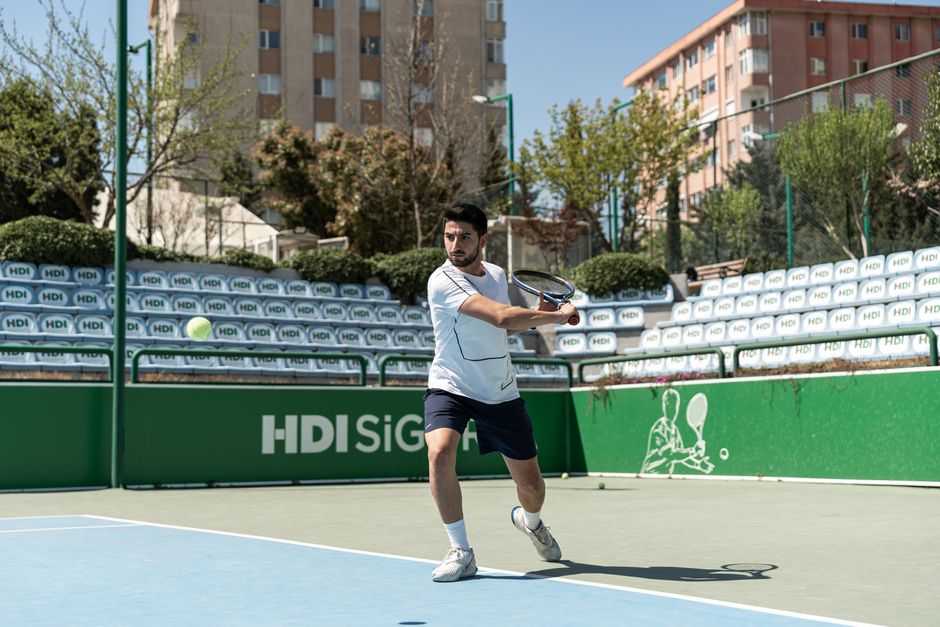
- Tennis Rackets & Balls: These icons symbolize the sport universally and provide playful UI affordances (e.g., hit or serve animations). Court Lines & Net: The familiar rectangle split by a net helps frame action and organize game elements spatially. Outfits & Crowd: Generic tennis gear and clubhouse-style stands reinforce atmosphere without requiring real-world references.
While these build tennis identity, avoid mimicry of exact uniforms, stadium designs, or other unique identifiers linked to specific venues.
Court Layout as a Clean UI Frame
Tennis courts provide an excellent natural framework for user interface design. By integrating game elements into the court’s structure, you create clarity and thematic coherence. Here’s how:
Use the baseline and service lines: Position scoreboards or bet options aligned with these lines for spatial logic. Center the net: The net serves as a dividing line between player zones or feature panels. Highlight service boxes: Turn individual segments of the court into interactive zones or bonus triggers.This method anchors UI components in the familiar court dimensions, reducing clutter and guiding player focus naturally.
Building Scoring Tension Through Key Points
Tennis scoring has inherent drama through its structured stages: break point, tie-break, match point, etc. These moments translate well into pacing and tension within a casino game, but how?
- Break Point: Depict as a “near win” scenario triggering anticipation with sound effects or visual cues to escalate stakes. Tie-Break: Use mini-games or bonus rounds representing the high-pressure decider, providing intensified rewards or multipliers. Match Point: Final spin modifiers or special animations emphasize potential big wins tied to the thematic climax.
Importantly, these narrative beats grip players emotionally but do not imply skill affects the RNG under the hood.
Theme vs Mechanics: Separating Art from RNG Reality
One persistent industry misconception is that thematic elements influence game outcomes. In reality, slot and casino game results hinge on RNG algorithms designed for randomness and fairness.
When designing a tennis-themed game:
- Keep math transparent: Players appreciate knowing RTP (return to player) percentages and that any outcome is purely random. Design theme atop mechanics: Use tennis imagery to enhance the experience, not drive results. For example, the ball’s trajectory animation matches RNG results but doesn’t determine them. Avoid player skill implications: Phrases like “playing a match” or “winning streaks” must be handled carefully to not suggest player influence on spins.
Clear separation ensures compliance with gambling regulations and fosters player trust.
Original Art Direction and Surface Inspiration
Beyond basic tennis iconography, original art styles make your game stand out. Think about the different court surfaces:
- Grass: Evokes traditional, prestigious tournaments but can be stylized in unique color palettes beyond traditional green for freshness. Clay: Warm reds and earth tones create rustic, textured backgrounds. Hard Court: Slick blues or gray surfaces with sharp geometric paint lines suggest modern environments.
Use these elements not just as backgrounds but as inspiration for interface color tennis themed slot schemes, symbol designs, and animations. This reflects a tournament generic enough to avoid legal entanglements but rich with detail and personality.
Summary Table: Key Tennis Themed Game Design Considerations
Design Aspect Best Practices Purpose Visuals Use generic rackets, courts, and crowd; avoid real event branding Ensure instant tennis recognition without licensing issues UI Layout Structure elements using court baselines, net, and service boxes Achieve clean, intuitive interface design Scoring Pacing Highlight break point, tie-break, match point with tension cues Build emotional engagement and dynamic gameplay moments Mechanics RNG driven results; transparent RTP; no skill influence implied Compliance and fairness; player trust Art Direction Draw from generic surfaces (grass, clay, hard) with signature colors Inject freshness and thematic cohesion that feels originalConclusion
Developing a tennis-themed casino game without copying a real event is about embracing the sport’s essence without replicas. Use instantly recognizable tennis visuals and court layouts to ground your UI design. Leverage scoring moments like break point or match point to enhance pacing and engage players emotionally. And above all, keep your RNG-based mechanics transparent and distinct from the theme to maintain fairness and compliance.
By combining https://xn--toponlinecsino-uub.com/how-should-a-tennis-themed-casino-game-explain-rules-without-killing-the-vibe/ surface-inspired original art direction with a generic tournament style, game creators can craft an authentic tennis atmosphere that’s fresh, legally clear, and perfectly suited to casino game dynamics.