Multi-camera studio production is a complex beast. When a live show runs for hours—say a sports event, a newsroom broadcast, or a talk show—the last thing the production team wants is drifting focus or flickering exposure. Yet achieving consistent exposure and reliable camera output over long operating periods is easier said than done.
Some lessons come from gear reviews at Hardware Times, others emerge from the rich standards of the Society of Motion Picture and Television Engineers (SMPTE), and companies like MRQ are innovating around encoding and monitoring tools. Meanwhile, the explosion of mobile-first streaming—think online casino apps and mobile websites—influences how studios architect camera systems and post-production pipelines for maximum stability on phone screens.
The Challenge of Stable Focus and Exposure in Multi-Camera Studios
In a studio setup with multiple cameras, every unit must deliver video that looks consistent—not just from shot to shot, but minute to minute, hour to hour. That involves:
- Maintaining autofocus or manually controlled focus with no drift Keeping exposure (iris, gain, shutter) stable despite lights or subject movement Balancing color temperature and white balance across cameras Minimizing surprises due to heat build-up, power fluctuations, or signal degradation
Any inconsistency risks creating a jarring viewing experience. When you add live switching, post-production color grading, and encoding compression into the chain, the importance of a solid base camera feed becomes crystal clear.
What Happens When This Box Overheats at Hour 9?
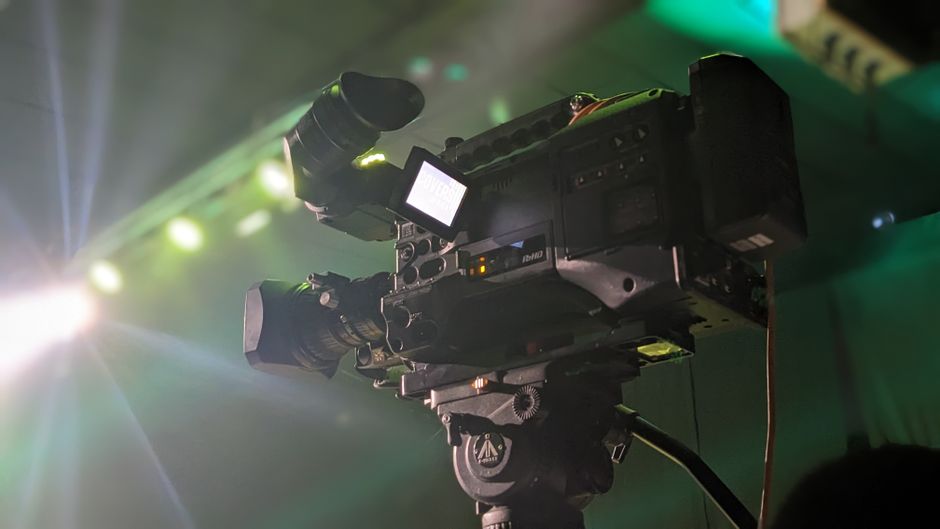
Here’s a question I always ask when evaluating hardware: what happens after the camera runs in a hot studio environment for long hours? Overheating is not just theoretical; it can cause focus motors to glitch, heat haze to multi camera livestream distort the image, and electronics to throttle exposure sensors.
Quality vendors design cameras with cooling and thermal throttling specs in mind. Many models reviewed on Hardware Times include active cooling or thermal alarms to avoid surprises during marathon shoots.
Lighting and Visual Consistency: The Unsung Hero
Lighting controls exposure more reliably than camera sensors alone. A stable, well-planned lighting setup ensures that the cameras have a controlled environment to capture.
- Key, fill, and backlight balance: Carefully arranged to reduce shadows and highlight depth Consistent color temperature: Using calibrated LED panels or tungsten-balanced lights prevents white balance shifts Diffusion and gels: To avoid harsh contrasts or spikes that can confuse camera auto-exposure systems
In multi-camera productions, lighting frameworks benefit from SMPTE standards on colorimetry and signal references, helping operators maintain a uniform look. This reduces the need to compensate with frequent exposure adjustments during live switching.
Manual vs. Auto Controls: When to Use Each
Many studios prefer manual focus and exposure for trusted consistency. Automated features like continuous autofocus and auto gain control are convenient—but can hunt or fluctuate, creating annoying visual artifacts on live streams.
However, in rapidly changing environments or when camera operators move around, skilled use of autofocus and exposure locks is critical. Some high-end cameras from MRQ partners offer hybrid modes where settings auto-lock after initial calibration.
Mobile-First Streaming Constraints: Constraints Drive Innovation
Streaming today happens on phones more than TVs. Mobile devices impose unique constraints that studios factor into their camera and production choices:
- Compression artifacts are more visible: Phones often use aggressive video compression; stable exposure avoids making compression errors worse Smaller screens amplify noise: Overexposed or underexposed footage stands out more on mobile web streams and online casino apps Variable network conditions: Low bitrate streams force studios to provide clean, noise-free image inputs so encoding behaves better
Encoding and compression pipelines tuned for mobile—such The original source as adaptive bitrate streaming for mobile websites—require predictable source footage. This is where a reliable camera output is critical in avoiding pauses or rebuffering due to downstream errors.
Encoding and Compression: Supporting the Stable Input
It’s tempting to focus solely on encoding specs like bitrate or codec when optimizing a streaming pipeline. However, high-quality camera output is the foundation for any robust encoding workflow.
Stage Focus Area Impact on Exposure and Focus Stability Camera Capture Lens control, sensor consistency, lighting Ensures consistent exposure for smooth image pipeline Signal Processing Color correction, scaling, noise reduction Preserves image quality despite camera limitations Encoding & Compression Codec choice, bitrate control, keyframe intervals Handles dynamic scenes well, minimizes artifacts on fluctuations Delivery & Playback Adaptive streaming, buffering strategies Adapts to mobile client constraints; depends on upstream stabilityStudies from SMPTE have standardized key metrics that help operators measure and maintain exposure consistency in live broadcasts.

Best Practices For Long Operating Periods
Set manual exposure and focus where possible. Avoid relying on auto modes over multiple hours to prevent drift. Ensure robust studio lighting. No amount of camera magic can fix a flickering or poorly lit scene. Monitor camera wear and thermal conditions. Use hardware monitoring tools or integrate alerts as some devices reviewed at Hardware Times do. Choose cameras with proven long-run reliability. Look for models tested for heat tolerance and mechanical endurance. Use MRQ’s enterprise-grade encoding tools. These platforms provide advanced camera monitoring suites to detect exposure anomalies early. Perform regular cross-camera calibration. Using color charts and test patterns helps maintain visual consistency across angles. Test the entire pipeline—from capture to playback on target mobile devices. What looks stable on a broadcast monitor might look different on an online casino app or mobile website.Conclusion
Maintaining consistent exposure and reliable camera output for long operating periods is a balancing act between good hardware, controlled lighting, smart operation, and encoding discipline. The combined experience of experts at Hardware Times, the technical rigor of SMPTE standards, and solutions from innovators like MRQ pushes the needle forward.
In today’s mobile-first streaming world—where online casino apps and mobile websites are dominant platforms—the pressure to deliver perfect, stable camera output is higher than ever. By prioritizing long-term stability from camera capture to the viewer’s screen, studios can avoid distracting exposure shifts and keep audiences engaged for hours.